What “Factory Direct” Means & Why It Changes How You Should Think About Furniture Pricing
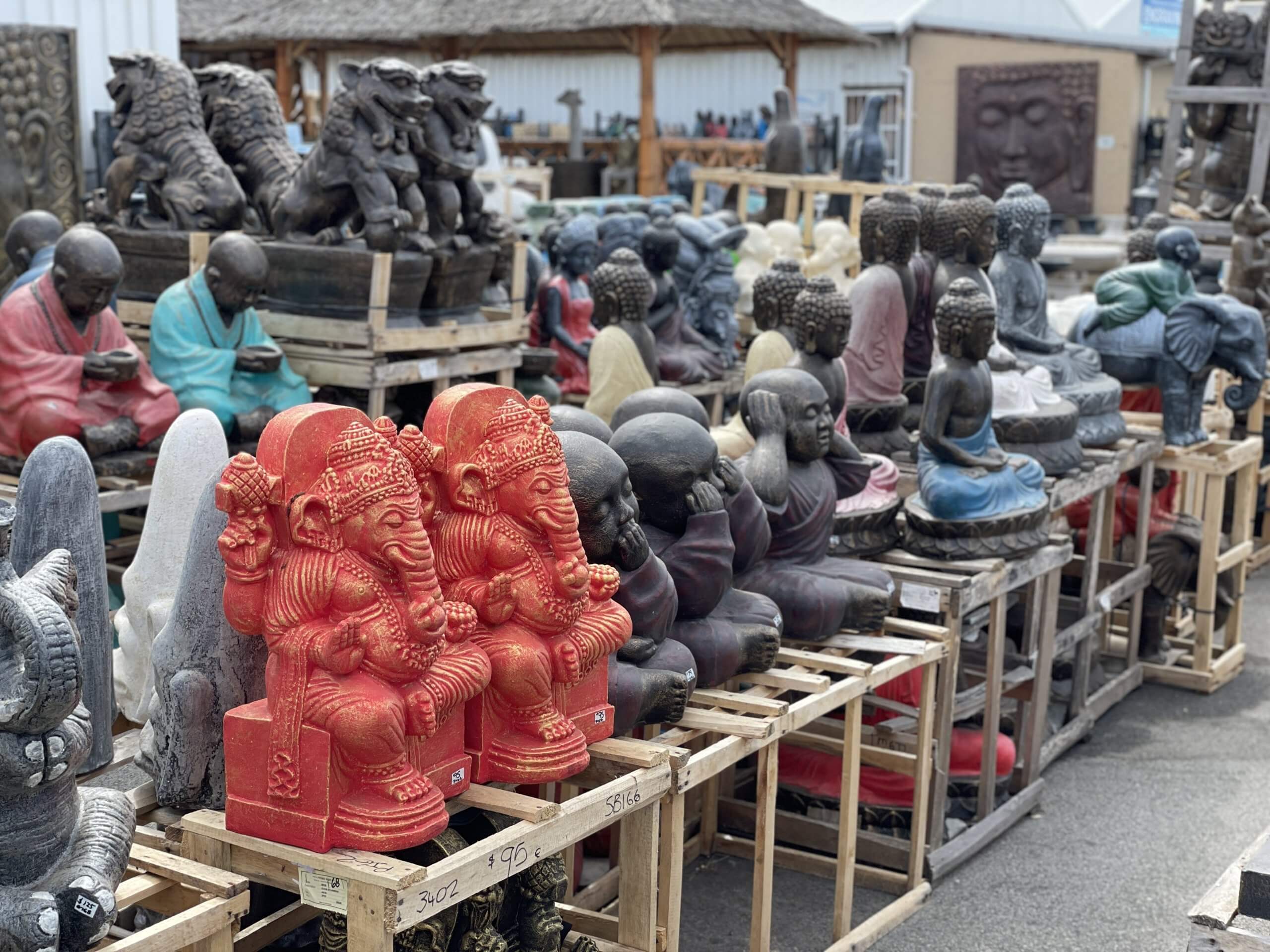
When people ask about the factory direct meaning, they’re usually asking a simpler question: why does the same kind of furniture cost so much less in one place compared to another? The answer doesn’t have anything to do with luck or sales. It’s about how many hands touched the product before it got to you and how many margins were added along the way.
At Prime Factory Outlet, the answer comes back to the model itself. We’re a Perth warehouse that’s been operating since 2008 and our products are made directly in our factories across Asia. That’s what factory direct means for us; direct manufacturing and retail, without any of the middlemen.
The Standard Furniture Supply Chain
In a standard furniture supply chain, a product doesn’t go straight from maker to buyer. It passes through layers of business and each of those layers adds cost.
That usually means manufacturer margin, importer or distributor margin, retail margin, then shipping, warehousing, marketing, rent and staffing. By the time a couch reaches a show room, the price has climbed a long way from the amount it took to make it. That’s why factory direct furniture can sit at a very different price point from the same style sold through a traditional store.
Where the Costs Add Up
This is where the differences become obvious. A manufacturer margin of 10-20%, an importer or distributor margin of 30-50% and a retail margin of 100-200% or more can stack up fast. Add the overheads of your standard retail business, and you start to understand how a couch can be $800 in one place and $2400 in another.
It’s not that the product has become three times better, it’s the fact that the supply chain just became more expensive.
What Changes When the Seller Owns the Factory
When we own the factory, or control production directly, the supply chain gets shorter and the product goes through less people. That means fewer margins to absorb and more control over how the product is made, shipped and priced.
That’s the point of a factory direct store; it’s about removing any and all of the unnecessary layers between manufacture and sale.
The Liquidation Model: A Second Layer of Pricing
Owning the factory is one part of the equation. The other is inventory strategy.
With traditional retailers, stock may sit in warehouses or showrooms for months while businesses wait to get their target selling price. The longer it sits, the more costs to store, finance and manage start to pile up.
A liquidation model works differently. Rather than hold stock indefinitely, excess inventory, discontinued lines, overstocked products and clearance items are priced to move. The goal is a high turnover as opposed to the maximum possible return on every piece.
This creates a second pricing advantage. Not only are there fewer markups to begin with, but there’s also less pressure to recover long-term storage and holding costs through the final retail piece.
What This Means for You as a Buyer
For buyers, the main thing to understand is that a lower price doesn’t automatically mean lower quality. More often, it means the product has fewer cost layers built in before it reaches you.
We’re able to sell factory direct products by keeping the chain tight and the overheads lean, which is why our pricing can look so different from a conventional furniture retailer.
Same Quality, Different Price Point
If two couches are similar in material and build, the price gap usually has more to do with business structure than product quality. A traditional retailer might be carrying a huge showroom cost, distributor margin and advertising budget. We’re not.
A Warehouse, Not A Showroom
We operate as a warehouse first and foremost, not a showroom. A warehouse is built for stock movement and fast inventory turnover, not fancy presentation and sales ploys. That’s the logic behind our setup; less theatre, more products, better prices.
Evaluating Factory Direct Claims At Other Stores
Not every store claiming factory direct is actually operating that way. If a business doesn’t own production, still uses a distributor or only discounts occasionally, it might be closer to a standard retailer than a true direct model. The simplest test is to ask where it’s made, who controls it and how many layers are between the factory and the buyer. If the answer is vague, the claim probably is too.
Making the Most of Factory-Direct Pricing
Factory direct pricing isn’t just a lower number on the sticker. It’s the result of a completely different structure. When the business owns the factory, sells through a warehouse model and moves stock quickly, the price isn’t being built up through the same chain of margins and overheads that sit behind a traditional retailer.
That’s why factory direct furniture can offer better value without relying on inflated sale events or short-term promotions. The saving is built into the model from the start.
For buyers, the biggest advantage is perspective. Once you understand how furniture moves from factory to showroom, price tags start making a lot more sense.
Instead of assuming the most expensive option must be the best, or that the cheapest is cutting corners, you can choose your furniture based on what actually matters: quality, design, comfort and value.
Keep Reading

news
How to Install Bamboo Screening & Fencing

news
Festive Entertaining and Hosting Ideas

news
Statue Placement Guide: Where to Place Statues in Your Garden