Where to Place a Garden Water Feature (and Where Not To)
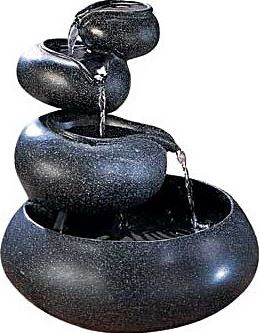
A garden water feature can instantly change how an outdoor space feels, but placement decides whether it becomes relaxing and calming or something that creates ongoing issues. In the right areas it can also encourage birds and other wildlife into the garden, adding more movement and life beyond just the water itself.
In Perth conditions, heat, wind and sunlight can quickly lead to algae growth, pump strain or increased maintenance if the position is wrong. Placement will also directly affect sound levels, how much water is lost through evaporation and how often the feature needs upkeep.
Getting it right means the feature blends into daily life and attracts interest from both people and wildlife. Getting it wrong means constant adjustment.
Why Placement Makes or Breaks a Water Feature
Placement isn’t just about aesthetics. It determines how the feature behaves once it’s running.
A water feature placed in full view of harsh sun will generally need more cleaning and top-ups due to evaporation and algae growth. A feature placed in a tight, enclosed corner may sound too loud or echo in an overwhelming way. Even small shifts in position can change how noticeable the sound is from inside the home or outdoor area.
Maintenance is also directly affected by placement. Poor airflow, excess debris from nearby planting and constant sun exposure all increase cleaning frequency and pump wear over time. A good position reduces effort without changing the feature itself.
The Key Factors to Think About Before You Decide
Before choosing a location, it helps to think through how the feature will actually run day to day, not just how it looks on installation day.
Sun & Wind Exposure
In Perth, sunlight is one of the biggest drivers of maintenance. Direct, all-day sun warms the water quickly, which encourages algae and speeds up evaporation. That means more topping up and more frequent cleaning to keep the water clear.
Wind adds another layer. Even gentle, consistent wind can push water out of the feature over time, leaving marks on any surrounding surfaces and lowering water levels. It can also disrupt the flow of water, which affects both its visual appearance and its sound.
A position with a level of natural protection, like partial shade or nearby structures usually offers a more controlled result without removing light completely.
Proximity to Trees and Established Plants
Placing a water feature too close to trees almost always leads to more ongoing cleanup. Organic materials break down quickly in water, which affects clarity and block filters or pumps.
There’s also a longer-term impact. Roots can shift the ground or limit where the feature can be properly installed. Dense planting can restrict airflow as well, which can make the water stagnate faster.
A balanced approach works best. Keeping the feature near planting for visual integration, but not directly under it, reduces debris while still allowing it to sit naturally within the garden.
Level Ground and Drainage
A water feature relies on even water distribution. If the base isn’t level, the water flow can look uneven, collect in the wrong areas or expose parts of the pump.
Soft or loose ground creates a different problem. Over time, weight and moisture can cause the feature to sink or tilt slightly. Even small movements can have outsized effects on how the feature runs and looks.
Adequate preparation is what makes a difference here. A compacted base, pavers or a concrete pad helps maintain alignment and prevents gradual movement. Drainage around the feature also needs to be considered. Overflow, splash or maintenance water should be able to disperse without pooling around the base.
Power and Pump Access
Most water features need a constant power source, which means planning around outdoor power points and cable runs. If this isn’t considered early, the feature ends up being positioned around power access instead of where it actually works best.
Cables are the most common solution, but they need to be managed properly so they’re safe and not visually intrusive. Solar powered pumps offer more flexibility in open areas where running cables isn’t practical. They suit sunny Perth gardens well, but performance depends on consistent sunlight, so shaded areas aren’t ideal for this option.
Thinking about access also matters for maintenance. The pump should be easy to reach without having to dismantle the water feature.
Visibility and Sightlines
A water feature should sit within natural lines of sight, not off to the side where it’s only seen occasionally. The most effective placements align with how you move through the space.
For example, positioning a feature where it can be seen from both inside and outside creates more impact without increasing size. Even a smaller feature can feel more significant when it sits in a direct line of view.
Framing also plays a huge role. Using walls, planting or pathways to guide attention towards the feature helps it feel intentional and not a tacked-on afterthought.
The Best Spots in a Typical Perth Garden
Near an Outdoor Entertaining Area
Placing a water feature near an alfresco or seating area makes it a part of everyday use. The sound of water can soften background noise and create a more relaxed setting without needing any fine tuning.
Distance matters here. Too close and it starts competing with conversation. Slightly offset tends to give a better balance, where the sound is present but not dominating.
It also makes maintenance easier, as the feature stays within everyday view, meaning it’s more likely to be checked and topped up.
As a Focal Point at the End of a Path or Garden Bed
Placing a feature at the end of a path creates structure in the garden. It gives the eye a clear destination and can even make simple layouts feel more intentional and considered.
It’s especially effective in longer or narrower gardens where structure is needed. In front garden water features, it helps create a clear visual endpoint that strengthens street appeal without overcrowding the space.
In a Sheltered Corner
Corners are criminally underused, which makes them a perfect fit for water features. A sheltered corner will also mitigate exposure to sun and wind, improving water retention and splashing.
This placement works especially well when combined with surrounding planting that frames the feature without overcrowding it or introducing excessive debris.
Against a Wall or Fence
Positioning a feature against a wall or fence creates a clear visual boundary and helps define the feature within the space.
It also allows for more controlled design. The backdrop can enhance contrast, making the feature stand out without increasing its footprint. In smaller gardens, this approach keeps the centre of the space open while still adding movement and interest.
Small Gardens and Courtyards
In compact spaces, scale is everything. Small water features for small gardens work best when they feel like they’ve been properly integrated in rather than tacked on.
Wall-mounted or vertical features are often the most practical, as they take up minimal floor space while still adding movement and sound. Freestanding features can also work well when placed against boundaries, but placement should keep pathways clear and avoid interrupting how the space is used day-to-day.
Feng Shui Placement
Feng shui water feature placement focuses on flow and openness. In practical terms, that usually means avoiding blocked or cluttered areas and keeping the feature in an area where the water movement feels clear and unobstructed.
Entry areas, front gardens and spaces near main walkways are common choices, as they connect movement through the garden back toward the home. The aim is to keep the water visible, active and part of the overall layout, not disconnected.
Where Not to Place a Water Feature
Directly Under a Tree
This is one of the easiest mistakes to make because the spot often looks naturally sheltered. In practice, it usually creates the most ongoing work. Leaves, petals, bark and seed pods fall straight into the water, break down quickly and leave the feature looking tired far sooner than it should.
The extra debris does more than affect appearance. It can clog filters, sit in the pump housing and shorten the life of a system if it’s left too long. Even trees that seem low-shedding can become an issue later on, so it’s rarely a low-maintenance choice.
A little distance from mature planting will generally give the best result. You still get the softness and shade that trees provide, without forcing the water to fight constant debris.
In a Spot You Never Actually Use
A water feature should connect with the way the garden is lived in. If it sits off to the side, hidden behind planting or in a corner rarely walked past, it becomes easy to forget about. That means it’s also cleaned less, topped up less and enjoyed less.
It also misses one of the main reasons for having a water feature in the first place. The sound, movement and visual interest should be part of the daily experience of the garden, not something that only gets noticed during a tidy-up.
This is especially important in Perth backyards where outdoor areas are often designed around entertaining and pathways; the best placement supports those patterns instead of working against them.
On an Uneven or Soft Surface
A water feature needs a solid base. If the surface is uneven. The feature may lean slightly, sit awkwardly or distribute water unevenly. That might not seem like much at first, but over time it can affect both how the feature looks and how well it runs.
Soft ground brings its own problems. It can settle after rain, shift under weight or move slightly as seasons change. Once that happens, the feature might need to be lifted, relevelled or reset, which is a lot more frustrating than preparing the ground properly from the start.
This is one of those decisions that’s much easier to get right early than to fix up later on. A stable surface gives the feature a proper foundation and keeps it working the way it should.
Too Far From a Power Source (Without Planning for It)
Power should be part of the placement decision, not an afterthought. If the feature is too far from an outdoor power point, the result is usually an awkward cable run, a less tidy finish or a setup that’s hard to maintain safely.
That can limit where the feature goes and make the whole design feel off, and can also make access more of a hassle when the pump needs attention.
Solar powered pumps can open up more placement options in the right garden, but they’re not a catch-all solution. They work the best in open, sunny positions and need the right exposure to keep performing properly.
Final Thoughts
Good water feature placement is about more than just finding an empty space. It’s about choosing a position that suits how the garden is used, how much maintenance makes sense and how the feature will perform in Perth conditions over time.
When the location is right, the feature feels settled into the garden, not added on. It’ll sound better, stay cleaner for longer and become part of the space in a way that makes you wonder what it was like without it.
That’s the difference between something that looks good at first and something that still looks good months down the track.
If you’re planning your garden, explore Prime Factory Outlet’s range of water features to find styles that suit different garden sizes, layouts and placement options.
Keep Reading
news
How to Cover an Ugly Fence Without Replacing It

news
How to Choose the Right Gazebo for Your Perth Backyard: A Complete Buying Guide

news
How to Set Up an Outdoor Bar Area on a Budget in Perth