How to Clean a Water Feature (Without Damaging the Pump)
Garden Statues
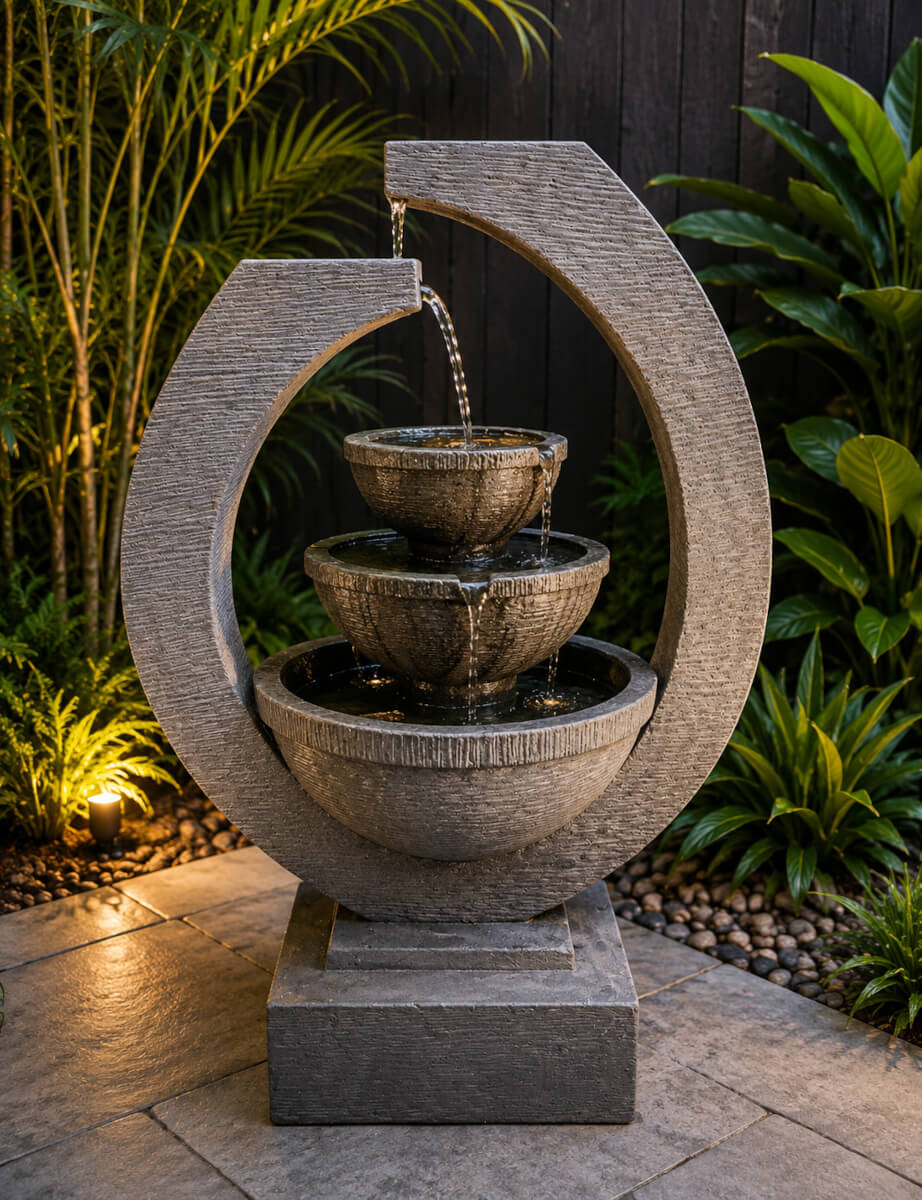
There’s nothing quite as relaxing as the sound of trickling water in the garden.
That is, until that pristine water turns into a green murky pond, your fountain develops a stubborn white crust or the pump starts making an unhealthy rattling sound.
In a hot, sunny climate, these problems escalate much faster than what the packaging on your new feature might have suggested. The good news is that you don’t need to be a landscaping expert to fix it. Learning exactly how to clean a water feature properly is a simple, practical process that’ll save your pump from burning out and protect your investment for years to come.
Why Water Features Get Dirty So Quickly
Outdoor water features are basically magnets for debris. Wind blows in dust, nearby trees drop their leaves and insects find their way into the bowl. Combine all that organic matter with a warm, wet environment and you create the ultimate incubator for algae blooms.
Simultaneously, the heat causes faster evaporation. As the water turns to vapour, it leaves behind dissolved minerals (like calcium and magnesium), which bake onto the surface and harden into a tough, unsightly white crust. The longer this is left unchecked, the harder your pump has to work to push water through the grime.
How Often Should You Clean a Water Feature?
For everyday maintenance, you should quickly scoop out floating leaves and top up water levels weekly. That being said, a proper deep clean is usually needed every 1 to 3 months.
During the peak of summer, when evaporation and algae growth are at their highest, you may need to deep clean monthly. Over the cooler winter months, you can stretch this out. If you notice a visible drop in water flow, a foul smell or the water rapidly changing colour, it’s time to roll up your sleeves.
What You’ll Need
Before you start, gather your supplies. You probably have most of these lying around the house:
- Soft brush / old toothbrush
- Bucket
- White vinegar (for mineral deposits)
- Mild dish soap or specialised water feature cleaner
- Clean cloth or sponge
- Garden hose
- Optional: fountain-safe algaecide (specifically formulated for ornamental features)
Step-by-Step: How to Deep Clean a Water Feature
If you’re looking at your garden setup and wondering how to clean your water fountain, just follow these steps to get it running like new:
Step 1: Turn off and drain the water feature
Safety always comes first, especially when you’re mixing water and electricity. Turn off the power at the wall and completely unplug the fountain. Next, you need to drain the dirty water. Depending on the size of your setup, you can unplug the fountain’s built-in drain stopper, siphon the water out with a hose, bail it out manually with a bucket, or use a wet / dry shop vacuum to suck the water out quickly.
Tip: If you haven’t added any chemicals to the water, you can safely dump it onto your garden beds.
Step 2: Remove and clean the pump
This is the most crucial step of the whole process. Knowing exactly how to clean a water fountain pump is the difference between a water feature that lasts for a decade and one that burns out after a season. The pump is the heart of your feature, and it needs regular care.
How to remove the pump safely
Locate the pump (usually housed in the lowest basin or a hidden rear compartment) and gently disconnect the internal tubing attached to it. Never pull or lift the pump out by its power cord. Doing so could ruin the watertight seal where the cord enters the housing, exposing the internal wiring to water and permanently ruining the unit. Always lift it out carefully by the base.
Cleaning the impeller and intake
Your pump sucks water through an outer intake grate and pushes it up the tubing using a small, spinning magnetic fan called an impeller. First, pop off the intake cover (this usually unclips or twists off easily). Inside, you’ll see an impeller assembly. Carefully pull the impeller straight out of its housing.
Use your soft brush to scrub away any of the accumulated grit and leaves clogging the fan blades and inner cavity. This little bit of maintenance is the secret to fixing 90% of struggling pumps.
Removing calcium and sludge build-up
When figuring out how to clean a water feature pump that’s been completely encrusted in calcium, turn to the kitchen pantry. Drop the disassembled pump parts into a bucket containing a 50/50 mix of warm fresh water and white vinegar.
Let it soak for 15 to 30 minutes. The acidity of the vinegar will safely dissolve the hard mineral deposits without degrading the plastic or rubber seals, letting you simply wipe the sludge away with a sponge.
Signs your pump needs replacing
While cleaning, thoroughly inspect the pump for any permanent damage. If you hear loud, mechanical grinding sounds when it runs (even after cleaning the impeller), if the plastic outer casing is cracked or if the rubber on the power cord is frayed, a deep clean won’t save it. For your own safety, it’s time for a replacement.
Step 3: Scrub away algae, sludge and mineral build-up
With the pump safely set aside, it’s time to tackle the main fountain body. Mix a solution of warm water and a few drops of mild dish soap (or a splash of white vinegar for more stubborn spots). Use your soft brush to gently lift away the dirt from the tiers and basins.
People also often ask “how do you clean a concrete fountain?” The exact same way as you would with a modern resin one, you just have to be mindful of your tools. Avoid using heavy wire brushes on concrete or stone, as this can easily scratch the waterproof sealer and cause structural leaks down the track. Stick to soft or medium-bristled nylon brushes.
Note: Most ornamental garden weather features don’t house fish or aquatic plants. However, if yours does, you must safely move them to an aerated bucket before starting and ensure absolutely ZERO soap or vinegar residue is left behind before they’re returned.
Step 4: Rinse, reassemble and refill
Use your garden hose to rinse the entire feature thoroughly, making sure all loosened dirt, soap and vinegar are washed down the drain. Reattach the clean internal tubing to your pump, place the pump back into its housing and fill the fountain with fresh, clean water. Once the pump is fully submerged (never run it dry!), plug it in and turn it on so you know the water is flowing smoothly.
Dealing with Algae
When you need to clean algae from water feature bowls, white vinegar is your absolute best first line of attack. It’s safe for the environment, incredibly cheap and highly effective at breaking down organic slime.
It can’t be overstated: using household bleach to clean algae from fountain surfaces is a remarkably bad idea. Bleach isn’t a “use with care” chemical here. It’ll eat away at your pump’s rubber O-rings, strip the paint and sealer off your fountain and severely harm any local birds, frogs or family pets that stop by for a drink.
If you’re cleaning water fountain algae that just won’t budge with vinegar and elbow grease, an algaecide specifically marked as safe for ornamental water features is a reasonable fallback option. Just be sure to follow the package instructions regarding dosage to avoid damage to your pump.
Handling Mineral Buildup
To effectively clean outdoor fountain tiers that look like they’ve been covered in chalk, you’ve got to let the vinegar do the heavy lifting. Spray undiluted white vinegar directly onto the crusty areas. Lay a vinegar-soaked cloth over the worst spots and let it sit for 10 to 15 minutes. This acts as a compress, breaking down the calcium so you can scrub it away with your brush.
Ongoing Maintenance Tips
So, how do you keep a water feature clean all year round without spending every weekend scrubbing? The trick is stay ahead of the dirt:
- Use a small aquarium net to skim out leaves and bugs every few days before they sink and rot.
- Check the water levels constantly, especially in the summer. A pump that runs dry will quickly overheat and burn out its motor.
- If your fountain isn’t permanently fixed, consider moving it to a spot with partial shade to drastically slow down algae growth and evaporation.
To keep a water feature clean with minimal effort, regular water top-ups and keeping organic matter out of the bowl are your best friends.
Do I Need A Professional?
For standard garden fountains, tiered features and pondless waterfalls, hiring out a professional might be overkill. Deep cleaning is very doable, very DIY-friendly and doesn’t require any special plumbing expertise.
You should really only consider calling a professional if you’ve got a massive architectural water feature or if your pump needs dedicated electrical work to safely disconnect.
Keep Reading

news
Festive Entertaining and Hosting Ideas

news
Multifunctional furniture ideas for small spaces

news
5 Uses For Screens & Room Dividers (Beyond Privacy)