How to Protect Outdoor Cushions from Mould and Fading
Multifunctional Furniture
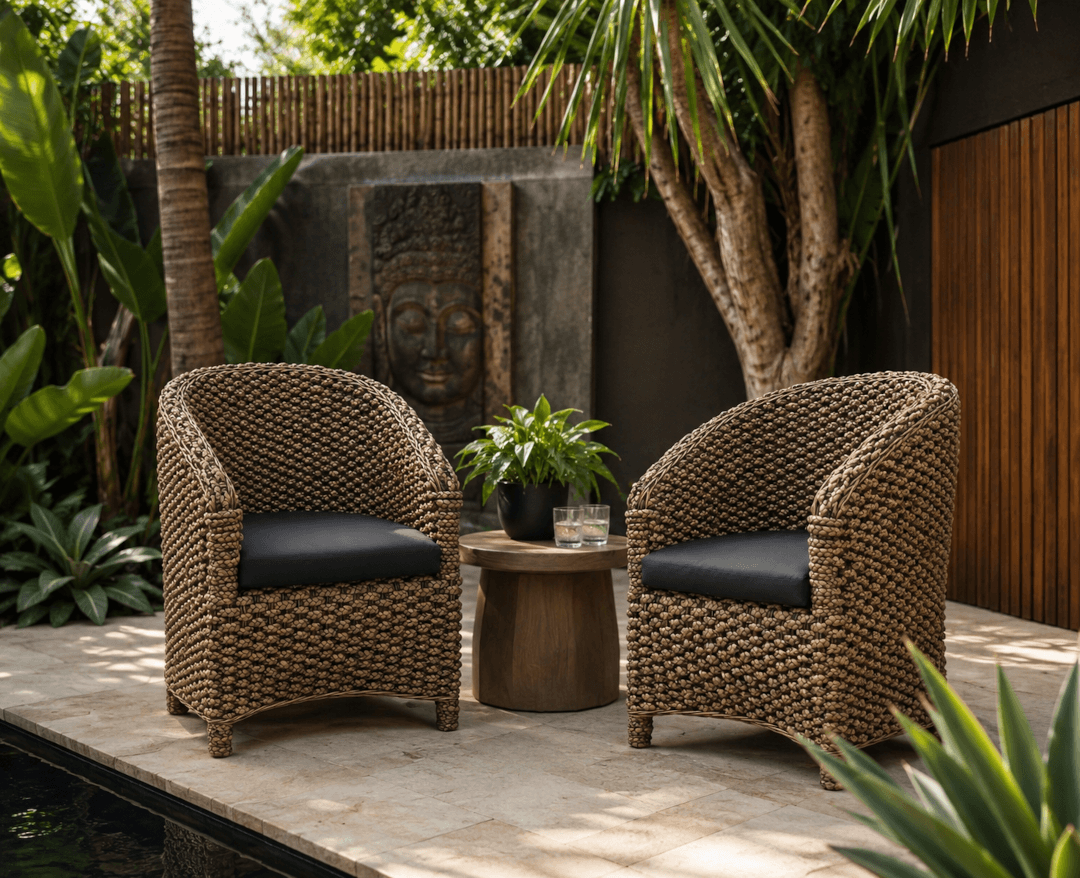
Perth homeowners know a thing or two about outdoor living. Whether you’re relaxing on a daybed by the pool or hosting a weekend barbecue under a gazebo, outdoor lounges are crucial to enjoying our sunny lifestyle. However, Perth’s unique climate is a double threat to soft outdoor furniture: relentless UV rays that bleach rich colours, followed by winter downpours that create the perfect conditions for mould.
An outdoor lounge is only as comfortable as the cushions on top of it. At Prime Factory Outlet, we’ve spent over 30 years helping Perth homeowners style their outdoor living areas, so we’ve put together a guide to protecting your cushions from the weather.
Why Outdoor Cushions Develop Mould and Fade
Perth averages over 3,200 hours of sunshine every year. While that’s fantastic for outdoor entertaining, the intense UV rays rapidly break down fabric dyes, leaving what were once vibrant cushions dull and brittle after just a season or two.
Mould, on the other hand, is a fungi problem driven by trapped moisture and organic build-up. Mould spores exist naturally in the air and require three main elements to thrive: moisture, warmth and organic matter (dirt, dust or pollen).
When rain or pool water soaks into cushion foam without drying properly, dormant spores wake up and multiply. The issue is particularly severe in Perth’s coastal suburbs (Fremantle, Cottesloe, Scarborough and Sorrento) where salty sea breezes and high humidity accelerate fungal growth on outdoor fabrics.
Preventing Mould Before It Starts
Stopping mould from taking hold is much easier than trying to scrub away deep black spots later on. A few preventative habits will extend the life of your cushions dramatically.
Keep cushions dry
Moisture is mould’s best friend. Outdoor cushions are often placed poolside, where they get saturated by bathers, splashes or humid air. Never leave damp cushions sitting flat on your lounge after pool time. Whenever cushions get wet, always stand them up on edge in a well-ventilated area so water can drain out completely.
Improve airflow
Trapped air keeps its moisture. Avoid stacking wet or damp cushions tightly against one another or pushing them flat against solid brick walls. Position your outdoor seating where natural breezes can circulate around all sides of the cushion.
Remove leaves & debris
Falling leaves, dirt, dust, crumbs and pollen all provide organic nutrients for mould spores. Use a soft-bristle brush or a hand vacuum once a week to clear away any loose debris before it settles into the fabric weave.
Avoid storing damp cushions
Never pack cushions away in a shed, cupboard or storage box if they feel even slightly cool or damp to the touch. Trapping moisture inside a closed container creates a humid greenhouse effect that guarantees a mould outbreak within days.
Clean Outdoor Cushions Regularly
Routine cleaning keeps your cushions looking sharp and removes the invisible organic layer that feeds mould spores.
- Brush away loose dust, dirt and dried leaves with a soft brush on a weekly basis.
- Every month, mix a few drops of mild liquid dish soap into a bucket of warm water. Use a soft sponge to wipe down the cushion surfaces, working in light circular motions to lift surface grime.
- Sponge down with clean water to remove any soap residue (soap build-up can actually attract dirt if left over time).
- Always make sure your cushions are dried thoroughly in a warm, sunny spot before putting them back on your furniture. Never sit on or store a freshly washed cushion until the foam is 100% dry.
How to Remove Mould Safely
If dark spots have already appeared on your lounge, don’t panic. Knowing how to clean mould off outdoor cushions all comes down to matching the treatment to the severity of the growth.
For mild mould
When catching surface spots early, getting mould off outdoor cushions isn’t too hard:
- Mix 1 part white vinegar with 4 parts warm water in a spray bottle.
- Spray the solution generously over the affected areas and let it sit for 15 to 20 minutes to kill the active spores.
- Scrub gently with a soft brush.
- Rinse through with clean water.
- Place the cushion in direct sunlight until completely dry. Sunlight acts as a natural anti-microbial and helps eliminate any lingering odours.
For stubborn mould
For deep-set black spots, cleaning the mould off your outdoor cushions will need a stronger approach:
- Mix an oxygen-based bleach (colour-safe) or a specialised fabric cleaner with warm water according to the package directions.
- Check if your cushion covers have zippers. Unzipping and removing the covers to soak separately in a bucket of solution makes the process much easier.
- For heavy growth, use a stiff brush to scrub the solution into the fabric.
- Rinse the covers or cushions thoroughly with fresh water until no cleaner remains.
- We can’t stress this enough: always dry your cushions properly. If the inner foam is still damp, mould will reappear within a week.
When to throw cushions out
If mould has penetrated deep into the cushion’s foam core and carries a persistent musty smell even after multiple deep cleans and days in the sun, the core is permanently compromised. Spores embedded deep inside foam can’t be easily killed, and they might cause health issues or ruin new covers. At that stage, getting a new cushion is your best option.
Protect Outdoor Cushions from Sun Damage
While it’s moisture that causes mould, Perth’s fierce UV rays are the primary cause of fabric fading and breakdown during summer.
Consider storing undercover or using a furniture cover
The simplest way to prevent any sun damage is to keep your furniture shielded when not in use. Putting your outdoor setting underneath permanent shelter (like a Bali hut, a gazebo or covered patio) significantly reduces UV exposure while protecting your cushions from sudden summer downpours.
If your setting sits out on an open deck or paved area, invest in waterproof covers to shield the fabric from both downpour and afternoon heat.
Storage tips
During Perth’s wet winter months, store your outdoor cushions indoors, in a dry garage or inside a sealed outdoor storage box. Choose storage containers with built-in ventilation gaps, or use breathable fabric bags rather than airtight plastic, which can trap moisture and cause mildew during winter storage.
When shopping for new lounge setups, look for settings that feature fade-resistant outdoor cushions made from solution-dyed acrylic or heavy-duty Olefin fabric, which can handle WA’s high UV much better than standard polyester.
Common Mistakes That Shorten Cushion Life
Leaving them outside year-round
Even heavy-duty marine fabrics aren’t bulletproof. Months of continuous UV exposure breaks down the fabric’s structural weave, while winter downpours keep the foam soaked constantly. If you aren’t using your lounge daily, stack the cushions, slip a fitted cover on and tuck them in a sheltered area.
Storing wet cushions
Trapping moisture inside a closed storage box or dark shed creates a hotbed for fungi. Keep in mind that inner cushion foam can stay damp deep inside even when the outer fabric feels dry to the touch. Always press down firmly and check for coldness or hidden moisture before packing them away.
Using harsh chemicals
Using undiluted chlorine bleach or abrasive solvents might get rid of a surface stain, but it strips the fabric’s water-repellent coating away too. Harsh chemicals also rot synthetic stitching and make the fabric brittle, causing it to absorb more water the next time it rains.
Ignoring early mould growth
A few tiny specks of mould on a cushion seam isn’t just cosmetic: they’re actively dropping spores into the foam core beneath. Spot-treating a few early specks with a quick vinegar spray takes two minutes. Waiting until the end of the season turns a quick job into a ruined cushion.
Frequently Asked Questions
Can outdoor cushions stay outside all year?
While high-quality outdoor fabrics are water-resistant, they’re not designed for non-stop exposure to winter rain and extreme UV. Storing them in a cushion box, shed or under a protective gazebo when not in use will double or triple their lifespan.
How often should cushions be cleaned?
Brush away dry leaves and dust weekly. Do a light surface clean once a month during summer and always give cushions a deep clean and complete dry-out before storing them away for winter.
Can faded cushions be restored?
Homeowners often wonder “can you dye faded cushions?” While you can buy fabric dyes, synthetic materials for the outdoors (like polyester or acrylic) are treated with water-repellent coatings that prevent liquid dyes from soaking in evenly, usually resulting in a patchy finish. Paints specifically formulated for outdoor textiles or having the cushions recovered are usually much more effective solutions.
Are waterproof cushions mould-proof?
No. Waterproof or water-resistant fabrics repel water, but dirt, dust and organic matter can still collect on top of the fabric. When exposed to moisture, mould can easily grow on top of the surface, even if the inner foam stays dry.
Keep Reading
news
How to Clean & Care for Teak Furniture

news
Spring Furniture Decor and Furniture Ideas

news
How to Set Up an Outdoor Bar Area on a Budget in Perth