Statue Placement Guide: Where to Place Statues in Your Garden
Garden Statues
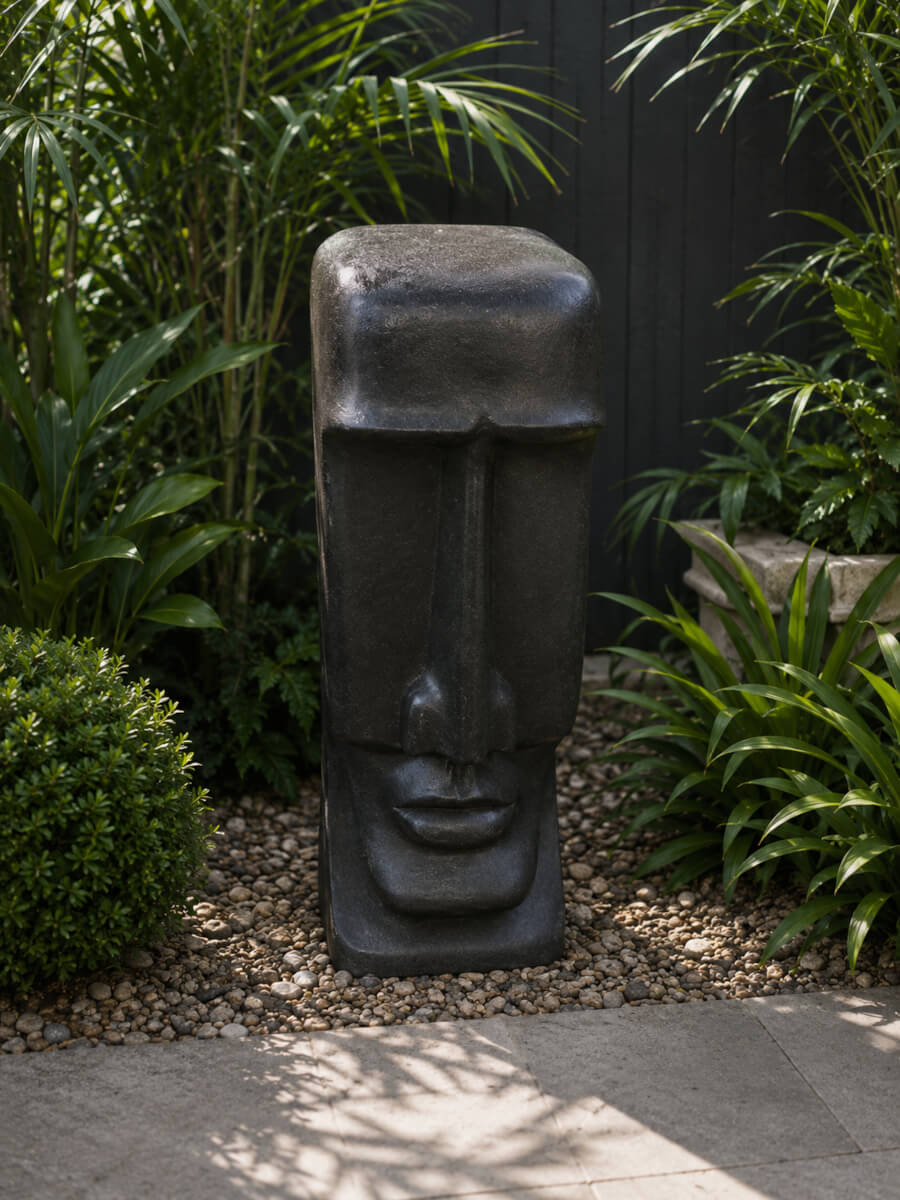
Buying a statue is only the first step. Where you actually put it will determine whether it looks like an intentional design feature or an awkward afterthought.
Whether you’re working with a compact urban courtyard or a sprawling suburban backyard, thoughtful placement brings your outdoor space together, directs movement and creates distinct visual areas. This guide covers key design principles, positioning tips and some common mistakes to avoid when placing statues in your garden.
Why Placement Matters As Much As The Statue Itself
A statue should never just be “dropped” into an empty space just because there happens to be room. How and where a statue sits in your garden changes how people perceive and move through the space.
Proper placement creates rhythm and balance. A well-placed piece guides the eye toward key features, draws visits along pathways and anchors open lawns. On the other hand, poor placement can obscure views, make a small patio feel cluttered or leave a beautiful stone feature hidden behind overgrown foliage.
Choosing A Purpose For Your Garden Statue
Before moving any heavy stone or concrete into place, establish what job you want the statue to do in your layout.
Creating a focal point
When you step out onto your patio or look through the back door, your eyes naturally look for somewhere to land. If there isn’t a clear focal point, the area can feel a bit messy or unfinished. Putting a statue at the far end draws your eyes straight through the space, making small courtyards feel bigger and giving bigger backyards a clear centre.
Adding character
Plain Colorbond fences, grey paving and blank brick walls can make a backyard look dull and sterile. A statue breaks up those long lines by adding vertical height and texture. It turns boring “dead spots” (like empty corners, narrow side passages or blank house walls) into intentional features that look good year-round without taking up valuable floor space.
Enhancing your garden’s theme
To make sure your statue doesn’t look out of place, match its material and style to your plants and surroundings:
- Tropical & Balinese style: Dark volcanic stone, carved sandstone or terrazzo statues look right at home among broad-leaf plants like frangipanis, palms and monsteras, where shaded spots let natural moss grow over time.
- Cottage & native gardens: Warm terracotta, clay or weathered stone pieces pair naturally with silvery foliage, lavenders and gravel paths.
- Modern & minimalist: Smooth concrete or sleek dark statues stand out against bamboo screening or dark rendered walls, surrounded by simple grasses or succulents.
Celebrating art & craftsmanship
If your statue has detailed hand-carved features or a nice natural stone grain, putting it 10 metres away in the middle of a garden bed means nobody will ever get to see those details.
Detailed pieces belong up close near outdoor seating areas, entryways or along main paths. Keep an eye on how the sun hits the spot, too. Low morning or late-afternoon sun coming in from the side catches the edges and brings out the texture of the stone.
High-Impact Locations
Certain spots in a backyard naturally catch your eye first. Placing your statue in these high-visibility areas gives you the biggest impact regardless of your garden’s size:
The end of a pathway
Placing a statue at the end of a garden path gives you a reason to walk it. In long, narrow side yards or smaller courtyards, putting a statue at the end makes the path feel more like a feature than a cramped walkway.
Framing an entrance
Putting matching statues on either side of a gateway, garden arch or patio step (or placing a single bold piece next to the opening) clearly marks the entry and makes the transition from one area to another feel intentional.
In the centre of a garden bed
Setting a statue into a garden bed breaks up heavy greenery with a solid, hard-surface material. Just make sure the base sits slightly higher than the mulch so low-growing plants frame the bottom rather than swallowing the statue completely.
As a focal point in an open lawn
Big grass areas can look empty without something to ground them. Placing a solid, heavy-set statue on a paver or stone slab near the middle or far curve of a lawn gives the whole backyard a clear central anchor.
Key Factors To Consider Before Placing
Before settling on a location, check your chosen spot against a few factors.
Sightlines & focal points
Think about where you spend most of your time. The best spot for a statue is somewhere you can see it from, like the kitchen sink, the main outdoor dining table or the lounge room couch. If you can only see the statue when you’re standing in the far back corner of the space, you won’t be getting much enjoyment from it.
Scale & proportion
The size of the statue needs to fit the size of the space. Large backyards need bigger, taller statues that won’t get lost against the open sky or tall fence lines. Smaller courtyards work much better with slender, vertical pieces that add height and interest without blocking walkways or taking over the patio.
Background & contrast
You want the outline of the statue to stand out against whatever sits directly behind it. Light stone, pale concrete or terracotta pieces pop beautifully against dark green hedges, timber fences and charcoal rendered walls. Dark stone, charcoal or bronze statues stand out best against light painted walls, natural bamboo screening or pale foliage.
Weather and sun exposure
Keep local weather conditions in mind before committing to a spot. Tall or top-heavy statues in windy areas need to be secured to a heavy base so they don’t blow over in a storm. You should always keep stone or terracotta out of direct contact with automatic sprinklers, as bore and hard water leaves stubborn mineral stains that are a pain to clean.
Buddha Statue Placement
Buddha statues carry cultural and spiritual significance, so their placement comes with a few basic guidelines:
- Keep it raised off the ground: A Buddha statue should never sit directly on bare dirt or ground level where people step over it. Place it on a raised pedestal, stone slab or garden bench.
- Face your living areas: Position the face of the Buddha toward your main outdoor patio, entertaining area or house entrance to welcome people into the space.
- Pick a quiet, clean spot: Put it in a relaxed area, like near a water feature, bamboo screen or garden corner. Keep Buddha statues well away from rubbish bins, clotheslines and outdoor hot water units.
Grouping Multiple Statues
If you’ve got more than one outdoor statue, avoid scattering them randomly around the yard, which can quickly look messy.
- Spread them across different zones: You don’t need to bunch statues right next to each other. Instead, space them out to create distinct visual points across the backyard (for example, one near the alfresco area, one along the side path and one anchoring a back garden bed). This gives people something new to look at as they move through the space.
- Use matching pairs for symmetry: If you’ve got two statues of the same size or style, place them on opposite sides of an entryway, garden arch or patio setting. Symmetrical framing is one of the easiest ways to make a space look structured and clean.
- Stick to a shared material or finish: You can mix different types of statues (like a birdbath, a jar and a figure) as long they share the same material (like sandstone, terracotta or terrazzo). Matching materials tie the look together so it doesn’t look like a collection of clearance items.
Common Placement Mistakes
Steer clear of these three common placement errors that ruin the look of your statues and create extra work for yourself:
- Putting it where you can’t see it: Tucking a statue into a hidden corner where it’ll get covered by fast-growing bushes or blocked by patio furniture defeats the point of buying it. Always double-check sightlines from your windows and outdoor setting first.
- Placing it directly under trees: Putting statues straight under big trees means they get covered in falling leaves, sap, seed pods and bird droppings. This creates constant cleaning work and leads to permanent stains on porous stones or terracotta.
- Setting it on soft ground: Placing a heavy statue directly onto bare dirt, soft grass or deep mulch causes it to sink unevenly when the ground gets wet in winter. Over time, the statue will lean over, become unstable or even crack.
Frequently Asked Questions
Where should a garden statue face?
A garden statue should face toward the areas where you spend most of your time, whether that be the main patio, back deck or through the kitchen window. Facing it toward where you and your family spend their time makes sure the statue is welcoming people into the space instead of having its back turned.
Can statues sit directly on grass?
It’s best not to place statues directly onto grass. Ground moisture wicks up into porous stone and concrete over time, soft soil ends up causing heavy pieces to lean, while lawnmowers and whipper snippers can easily chip the base. Always set your statue on a solid paver, stepping stone or concrete pad.
How many statues is too many for one garden?
Less is more when it comes to statutes. A small courtyard or patio space will look best with a single, well-chosen feature. Larger backyards can handle two or three distinct spots provided each area has its own clear space. If it starts feeling cluttered instead of style, it might be time to take a few pieces away.
Keep Reading
news
How to Install Bamboo Screening & Fencing

news
How to Set Up an Outdoor Bar Area on a Budget in Perth
news
Multifunctional furniture ideas for small spaces