How to Install Bamboo Screening & Fencing
Bamboo
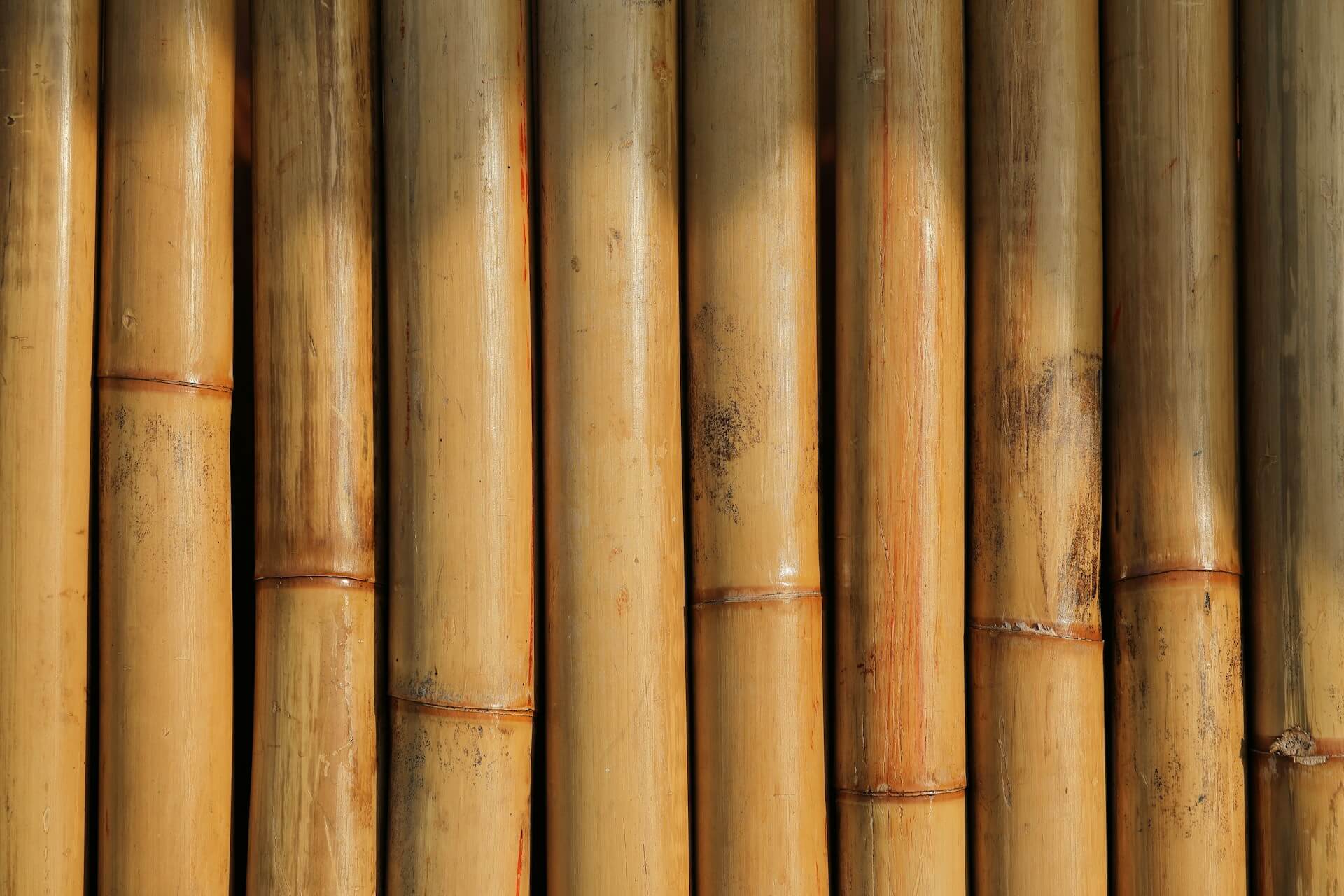
Bamboo screening is a simple way to add privacy and natural texture to outdoor areas. Whether you’re covering an existing fence, screening a balcony or attaching panels to a wall, most installations will be straightforward and require basic tools.
Here, we’ll explain how to put up bamboo screening, including how to secure panels to timber, Colorbond, brick and concrete surfaces. With the right fixings and measurements, bamboo fence installations can usually be completed in a single afternoon.
Prime Factory Outlet bamboo panels come in two convenient sizes, making it easier to match the screening to standard fence heights and garden layouts.
What You’ll Need Before You Start
Preparation is key to a smooth installation. Measuring your space accurately and having the correct tools and fixings ready will make it easier to install bamboo screens that are straight, secure and long-lasting.
Measuring your space
Start by measuring the height and width of the fence, wall or structure you plan to cover. For longer areas, measure in sections so you know how many panels are required.
Marking a guide line across the top makes it easier to ensure the panels are level. If the ground slopes, allow a small gap at the base to prevent panels from sitting unevenly.
Choosing the right panel size
Choosing the right panel size makes installation much easier. Taller panels are ideal for maximum privacy, while shorter panels are easier to handle and better for stepped or uneven fence lines.
Prime Factory Outlet panels are available in two standard sizes, which is helpful when deciding how many panels you need to cover your space and whether any trimming will be required. Use the dimensions as a reference during your planning.
Tools and fixings you’ll need
The tools required will depend on surface type, but most projects will only need the basics. Essential tools include a tape measure, drill or screwdriver, wirecutters, level and a pencil or marker.
Common fixings will include heavy-duty cable ties or garden wire, exterior screws with washers and masonry anchors for brick or concrete. Having these ready before you start will make it much easier to secure bamboo screening effectively.
How To Put Up Bamboo Screening on a Timber or Colorbond Fence
Installing bamboo panels on an existing timber or Colorbond fence is one of the quickest ways to upgrade your outdoor space. Panels can be attached simply or made more permanent depending on the method you choose.
Preparing the fence surface
Before you attach bamboo screening to a fence, make sure the surface you’re planning to fix it to is clean and firm. Remove debris, trim back plants and check that any rails or posts are secure. If the fence is uneven, marking a top guide line helps to keep the panels level once installed.
Attaching panels with cable ties or wire
Using cable ties or wire is a simple and flexible way to fix bamboo screening to a fence, making it a popular choice for most DIY projects:
- Hold the panel against the fence and align the top edge.
- Thread a cable tie or wire through the bamboo poles and around the fence rail.
- Tighten each fixing so the panel sits firmly and evenly against the fence.
- Repeat every 30-40cm along the top, middle and bottom rails to maintain stability.
Using screws for a more secure fix
If you were looking for a more permanent installation, screws can provide some additional stability and durability:
- Pre-drill small pilot holes through the bamboo poles to prevent splitting.
- Insert exterior screws with washers to evenly distribute pressure across the bamboo poles.
- Fix the panel into timber rails or fence posts, checking the panel’s alignment as you work along the fence.
- For taller or wider panels, add additional screws along the middle and bottom edges to prevent sagging.
Screws are recommended in areas exposed to wind, for panels that will support climbing plants, or for longer-term installations where a secure and stable finish is important. This method ensures that the bamboo panels stay straight, even when exposed to outdoor conditions.
How To Attach Bamboo Screening to a Brick or Concrete Wall
Bamboo panels can also be affixed to masonry surfaces. The main difference compared to timber or Colorbond fencing is that the fixings need to anchor directly into the wall itself rather than attaching to a rail or post. Planning your fixing points carefully and using the proper anchors will ensure the panels stay level, secure and keep a professional finish.
Drilling into brick & concrete: what you need to know
Before you start, inspect the wall surface for cracks, loose mortar or uneven patches. Choosing the right location on a structurally sound area will prevent long-term shifting or damage.
Select a hammer drill if possible, as it makes penetrating dense concrete or hard brick much faster and less taxing. Use either a depth stop or tape on the drill bit to make sure all the holes have been drilled to a consistent depth, which helps all the anchors sit securely and panels align evenly.
Wear adequate safety gear, including eye protection and a dust mask. Clearing dust from every hole with a brush or compressed air improves the anchor grip and reduces the chances of screws coming loose.
Finally, plan for expansion and contraction. Bamboo does expand slightly in humid conditions, so leave minimal clearance around any edges. Thinking ahead at this stage reduces the need for adjustments post-install and helps the finish stay neat.
Using masonry anchors and screws
To secure bamboo screening to masonry. This method is ideal for both feature walls and tight courtyard spaces where a firm hold is important:
- Mark the positions for your fixings on the wall, making sure the panel will sit level and straight.
- Drill holes at each marked point using a masonry drill bit suitable for brick and concrete.
- Insert masonry anchors or plugs into the drilled holes. These provide a stable base for the screws and prevent damage to the wall.
- Position the bamboo panel against the wall, aligned with your marks.
- Secure the panel by driving exterior screws with washers through the bamboo poles and into the masonry anchors.
For taller or wider panels, use additional fixings along the top, middle and bottom to prevent any sagging and keep the panel flat against the wall. This method ensures a long-lasting installation, even in exposed or frequently used areas, while providing a neat finish that looks professional while remaining accessible for adjustments if needed.
The timber batten method for brick walls
If the wall is uneven, or you want to create a small gap for airflow behind the panels, installing timber battens first can make bamboo fence installation much easier and more forgiving. This method also allows panels to be attached more securely without relying solely on masonry screws:
- Fix vertical timber battens to the brick or concrete wall using masonry anchors, making sure each batten is straight and level. The spacing should align with the width of the bamboo panels for a clean fit.
- Once the battens are secured, position the bamboo panels against them.
- Attach the panels directly to the battens using exterior screws, checking that each panel sits evenly from top to bottom.
- For longer panels, consider additional screws along the panel height to maintain stability and prevent twisting.
This method allows for airflow, which reduces moisture build-up and extends the life of your screening. It also makes it easier to work with walls that aren’t perfectly flat and simplifies the alignment of multiple panels, providing a tidy, professional finish without complicating the installation.
How To Hang Bamboo Screening Without a Frame
Sometimes you might need to install bamboo panels in a space without a traditional fence or wall, such as a balcony, pergola or freestanding garden structure. Even without a solid frame, bamboo panels can be hung securely using simple suspension methods. These approaches let you create some privacy and shade while maintaining a neat appearance.
When a frameless fix is (and isn’t) suitable
Frameless installations are ideal for smaller or temporary applications where you want a quick, flexible solution. They work well for:
- Balconies where existing railings exist for attachment
- Pergolas or garden structures where overhead beams can support panels
- Temporary privacy screens or decorative partitions
Before starting, consider the exposure of the area. Panels installed in open, windy locations may sway or get damaged if they aren’t supported. If the screening will cover a large area or needs to withstand strong winds, it’s recommended to combine the frameless method with additional anchor points or a lightweight supporting frame.
Frameless hanging also allows the panels to be removed easily for maintenance or seasonal adjustments, which is a huge benefit in multi-use spaces.
Using zip ties and hooks
Zip ties and hooks are one of the easiest ways to hang bamboo panels when no frame is available. This method works best for lightweight installations such as balcony screens, overhead pergola shading or decorative garden dividers:
- Attach small, sturdy hooks or eyelets to the supporting structure at regular intervals that align with the bamboo poles.
- Thread heavy-duty cable ties through the bamboo poles and secure them to the hooks.
- Adjust the panel’s position so it hangs even and sits straight.
- For taller or wider panels, use multiple hooks and ties along the top or sides to prevent any sagging or twisting.
This approach ensures that the bamboo panels hang securely while remaining easy to remove or reposition. It also allows for minor adjustments after installation to maintain alignment and even spacing.
Tension wire hanging for balconies and pergolas
Another effective way to suspend bamboo panels without a solid fence or wall is via the use of tension wire. This method is especially suited to open areas like pergolas, balcony railings or garden partitions while keeping panels flat and visually tidy:
- Install stainless steel wire between two strong anchor points, such as posts, beams or wall brackets.
- Tighten the wire until its taut and level. Check with a spirit level to make sure the panel will hang straight.
- Attach bamboo panels to the tension wire using heavy-duty cable ties or specially designed clips.
- For longer panels, consider using multiple horizontal wires or additional support points along the height of the panel to prevent sagging.
Shop Bamboo Screening Panels at Prime Factory Outlet
Choosing the right bamboo panels can make a massive difference in how smoothly your design comes together. Prime Factory Outlet panels have been specifically designed to be easy to work with, durable and visually consistent, offering a natural finish that suits a variety of outdoor settings.
Choosing the correct panel size and height ensures your bamboo fence installation or frameless hanging project is secure, neat and harmonised with your space. Take your measurements carefully, plan the layout of your panels and use the most suitable hanging method to achieve the best results.
Check available sizes when planning your installation to match your fence, wall or outdoor area and ensure your screening covers the space evenly while staying strong and stable.
Keep Reading
news
Enhance Your Home: Room Divider Screen

news
Spring Furniture Decor and Furniture Ideas
news
The Benefits of Bamboo as a Material